The first Independent People's Tribunal on the World Bank in India, held September 21–24, 2007 at Jawaharlal Nehru University, New Delhi.
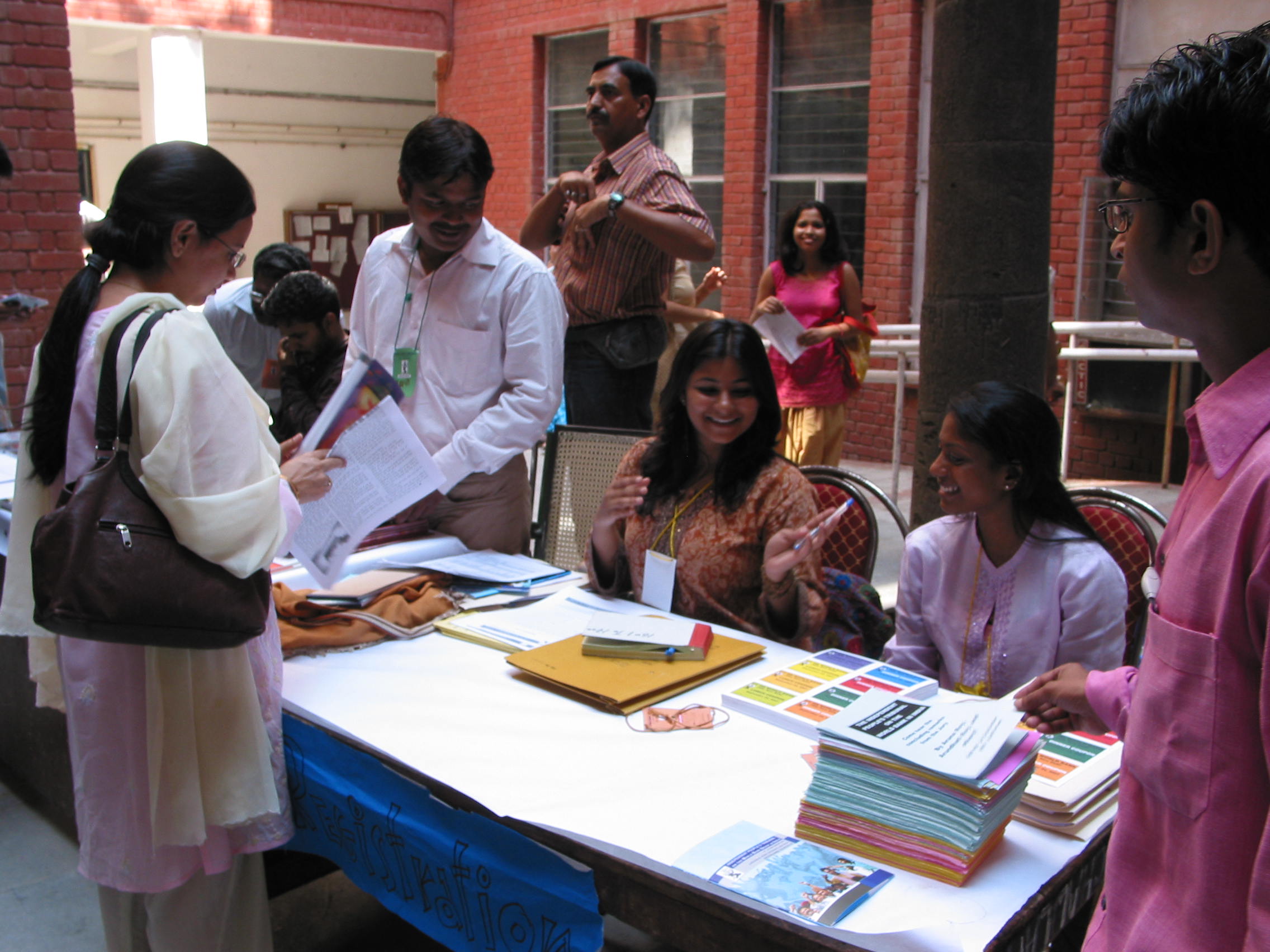
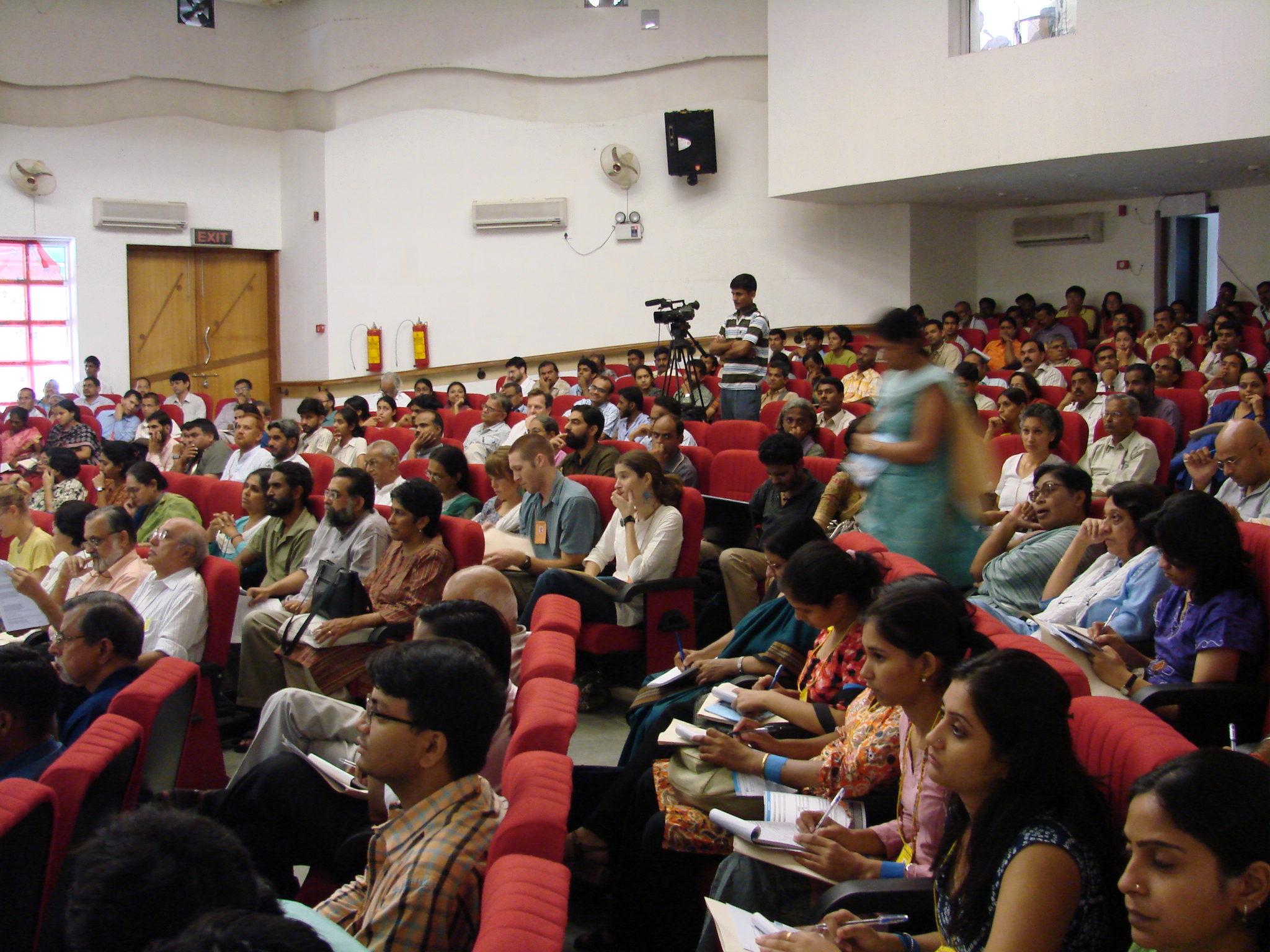
Over the past few years, several groups have systematically come together to monitor the World Bank's functioning in India, especially with regard to its Country Assistance Strategy, review of its social and environmental standards, and proposal of using Country Systems in lowering regulatory standards.
The purpose behind the Tribunal was to provide a just and unbiased forum for people who have faced the impact of projects and policies funded or promoted by the World Bank Group. The Tribunal was an opportunity to express their grievances and propose alternatives.
As part of this process, more than forty groups undertook a broad-spectrum enquiry into the World Bank and the functioning of its allies and to review their impacts nationally.
It was time to examine and judge the Bank's claims to serving the wider public interest, given the record of projects funded and promoted by the World Bank in terms of:
The chief focus of this exercise was to study the impact of the World Bank's policies and projects as it is increasing its influence in all directions encompassing the country's economy as well as its educational, social and cultural fabric.
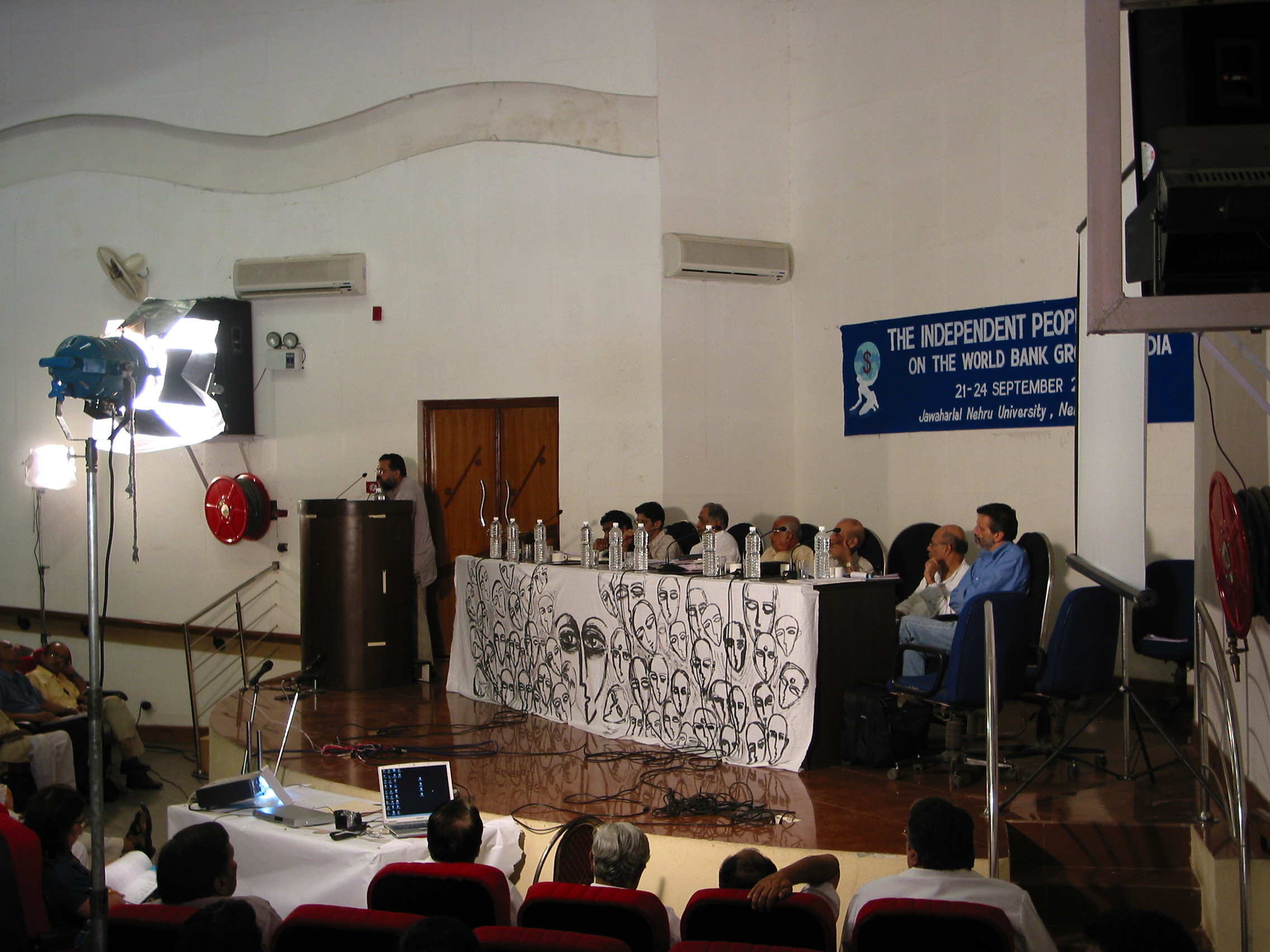
This Tribunal focused upon the actions of the World Bank Group, as it is the most active and influential of the IFIs in India. The Tribunal attempted to expose the nature and degree of coordination between the World Bank Group and other IFIs, as they often act in concert.
This was the first people's tribunal of its kind which looked at the:
The Tribunal on the WBG and its allies was visualized as a collective process guided by key organizations and groups from across the country:
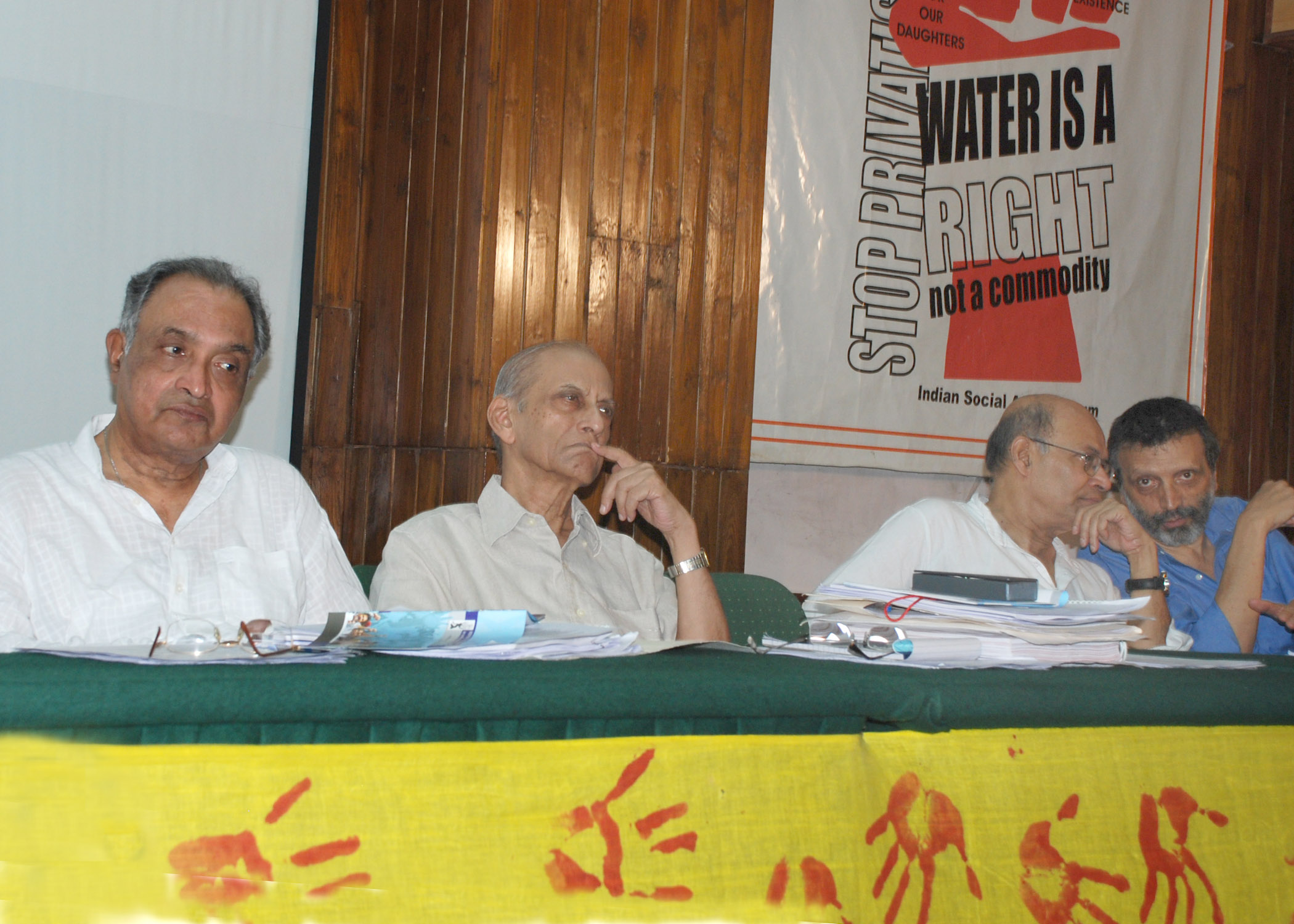
The World Bank Group (WBG) is a global, intergovernmental organization whose stated purpose is poverty alleviation. In its 60 years of operations, it has disbursed approximately US$525 billion to developing nations, mostly in the form of loans. India has long been one of its primary clients, ranking among the top 4 borrowers alongside China, Russia and Indonesia.
The WBG loans money to national governments for projects (such as infrastructure development) and for macroeconomic policy "reform". It also has an extensive research arm.
Since 1991, the process of neo-liberalism has been greatly accelerated by new economic policies brought in by the Indian government under the garb of 'structural adjustments' ostensibly to rescue itself from financial disaster. These policies have been blueprinted by the World Bank and the IMF in response to the government's request for badly needed foreign exchange loans.
Significantly, the earlier project-based role of the World Bank in India has moved to a much more powerful policy-based role. The Tribunal questioned whether national and state policies are being set in India or in Washington, where the World Bank is headquartered.
In addition to lending, the World Bank exercises influence through its role as a "knowledge provider." Knowledge and ideology have always been important components of power. In recent years, with greater quantities of private capital being available to India, the World Bank has attempted to forestall a loss of influence by cornering the market on "development knowledge."
In effect, it is creating the intellectual rationale and justification for privatisation and globalisation, even as these policies have come under increased criticism globally. The World Bank has been so successful in spreading its neo-liberal philosophy that the independence of bureaucrats and politicians was strongly questioned at the Tribunal.
Invariably, the worst sufferers of the degradation taking place are the most vulnerable sections of society – forest dwellers, fisher workers, labour, dalits, farmers, women, children, rural and urban poor and vulnerable groups.
